Solving the Dilemma of Buying Corporate Gifts for Employees That Truly Matter
The annual cycle of corporate gifting can feel less like an act of appreciation and more like a complicated, high-stakes negotiation. You're staring down a list of names, wrestling with spreadsheets, and facing the perpetual question: What do people actually want? It’s a modern workplace conundrum—we know we should say thank you, but finding a tangible, meaningful way to express that gratitude without breaking the bank or buying something utterly forgettable feels like trying to nail jelly to a wall.
If your team has ever spent hours agonizing over whether to get novelty socks or a weighted blanket for employee appreciation, you understand this dilemma. The sheer scope of "thank you" is vast, and the market offers everything from bespoke artisan goods to generic gift cards redeemable anywhere. Navigating this emotional and logistical minefield can be exhausting. Fortunately, tackling solving the dilemma of buying corporate gifts for employees doesn't require a crystal ball—it requires shifting your perspective from spending money to investing in connection.
Shifting Focus: From Transactional Spending to Experiential Appreciation
The biggest mistake companies make when gifting is treating it like an expense line item rather than a strategic retention tool. A physical gift, while lovely, can quickly become another piece of clutter. Instead, consider the value proposition of experience.
Experiences create memories, and memories are sticky. They resonate long after the wrapping paper has been discarded. Rather than giving something that starts in a box, try providing access to something—a masterclass, tickets to a local event, or even a dedicated day of professional development time. This shift is powerful because it signals that you value your employees' growth and interests, not just their output.

How can we make this practical for varying budgets? We don’t need to pull out all the stops every quarter. Sometimes, the most impactful gesture is simply time. Would an extra hour of focused work time on a passion project be more valuable than an expensive gadget?
The Power of Hyper-Personalization in Corporate Gifting
"One size fits all" gifting is a formula for mediocrity. If you send everyone the same branded pen, the message reads: "We bought this thing." But when you focus on the individual—the employee who loves baking, the one obsessed with sustainability, or the parent always running late—you can make the gift feel deeply personal.
Hyper-personalization doesn't mean hiring a professional psychic; it means doing your homework. It’s about paying attention to what people already talk about in casual conversations. I remember working with a tech Custom Gift Box firm that was struggling with employee engagement. They started asking their team members, "If you had an entire Saturday with zero obligations and unlimited budget for one hobby, what would you do?" The answers were wildly varied—pottery classes, camping trips, niche historical museum tours. Their gifting strategy immediately pivoted to curate gift vouchers for those specific interests. It transformed the process from guesswork into genuine care.
What if we could use small, inexpensive gestures that show we actually listen? This kind of thoughtful recognition is far more powerful than any branded item, helping employees feel seen rather than simply utilized.
Balancing Budget Constraints with Maximum Impact
The budget constraint is often the biggest culprit in solving the dilemma of buying corporate gifts for employees. It creates a false dichotomy: either spend extravagantly and risk overdoing it, or spend cheaply and risk being forgotten. The secret lies in maximizing perceived value while minimizing actual cost.
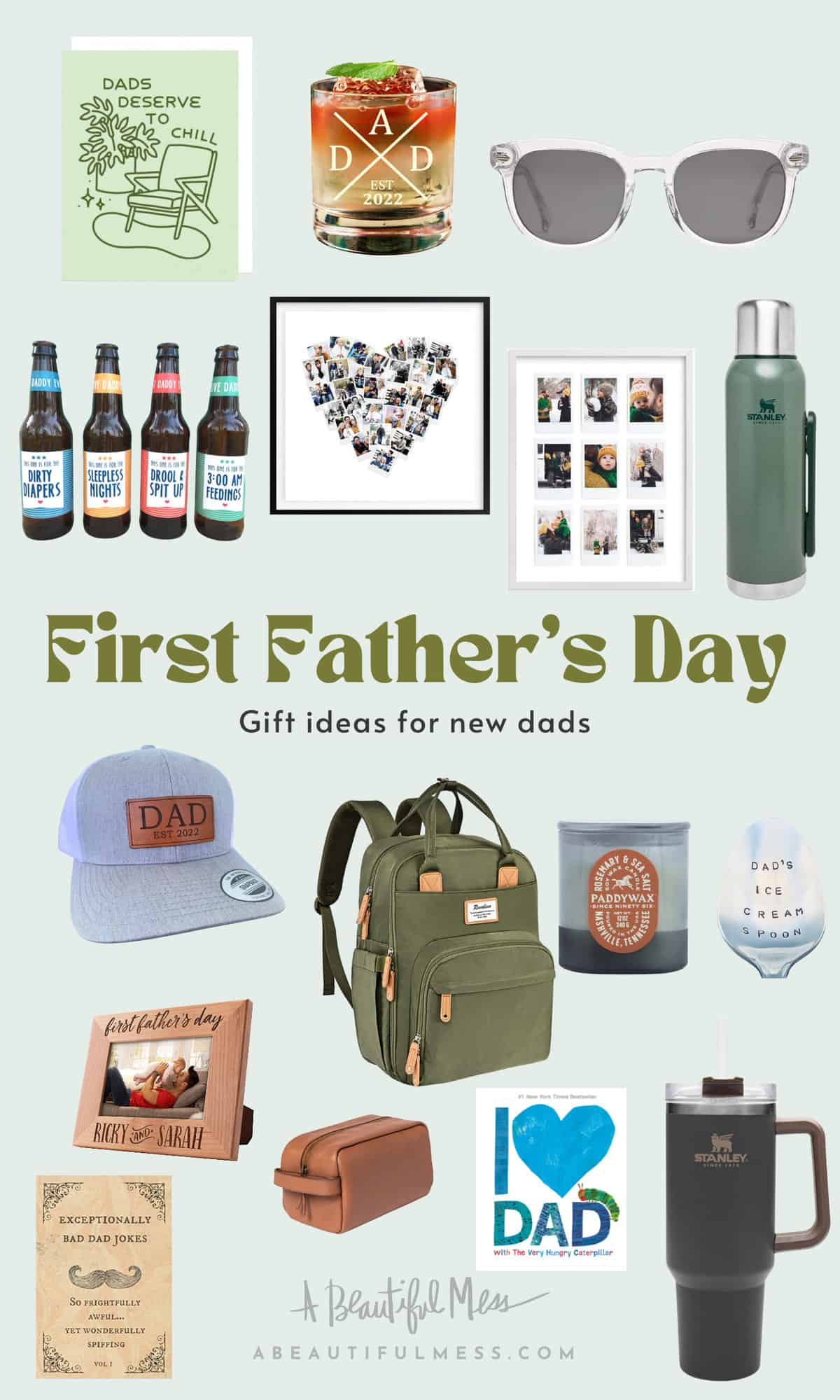
This doesn't mean settling for cheap trinkets; it means curating thoughtful bundles. Instead of one $100 item, create a "Wellness Kit" featuring local coffee beans ($20), a high-quality journal ($30), and a gift certificate for a 15-minute massage ($40). The total cost View website is manageable, but the perceived value—the care taken in curating the mix—is significantly higher.
Remember this: the effort you put into selection often outweighs the dollar amount itself. An apt quote rings true here: "The greatest gift you can give someone is your time." When applied to gifting, that means showing the time it took you to find something genuinely thoughtful for them.
Rethinking Fulfillment: Gifts That Are Consumable or Shared
Sometimes, the best gifts are those that don't accumulate dust. If we eliminate physical clutter from the equation, our options open up dramatically. This leads us to two highly effective categories: consumables and shared experiences.
- Consumables: Gourmet snack boxes, high-quality tea selections, artisanal spices—these items are used up, leaving no reminder of corporate obligation.
- Shared Experiences: Team volunteering days, group cooking workshops, or subsidized tickets to a local sporting event foster connection outside the office walls. These gifts give employees something to talk about and remember together, strengthening team bonds far more than any single piece of merchandise ever could.
When approaching solving the dilemma of buying corporate gifts for employees, always ask yourself: Will this gift be used up, or will it gather dust? If you can't afford an experience, can you facilitate one?
Mapping Out Your Next Level of Recognition
The journey to mastering employee appreciation is continuous. It requires moving past simple transactional thinking and adopting a mindset of strategic connection. The goal isn't just to give gifts; the goal is to reinforce your company culture as a place where people feel valued, supported, and excited about coming to work.
By focusing on personalized experiences, leveraging consumables, and always prioritizing thoughtfulness over dollar signs, you transform gift-giving from a mandatory chore into one of your most powerful cultural tools. Start by surveying your team—don't ask "What do you want?" Instead, ask: " When did you feel the most appreciated at work?" The answers will provide the roadmap for making your next gesture truly unforgettable.
Don't let the complexity paralyze your appreciation efforts. By adopting these thoughtful frameworks, you can confidently move from feeling overwhelmed to knowing exactly how to make a meaningful impact every time.